
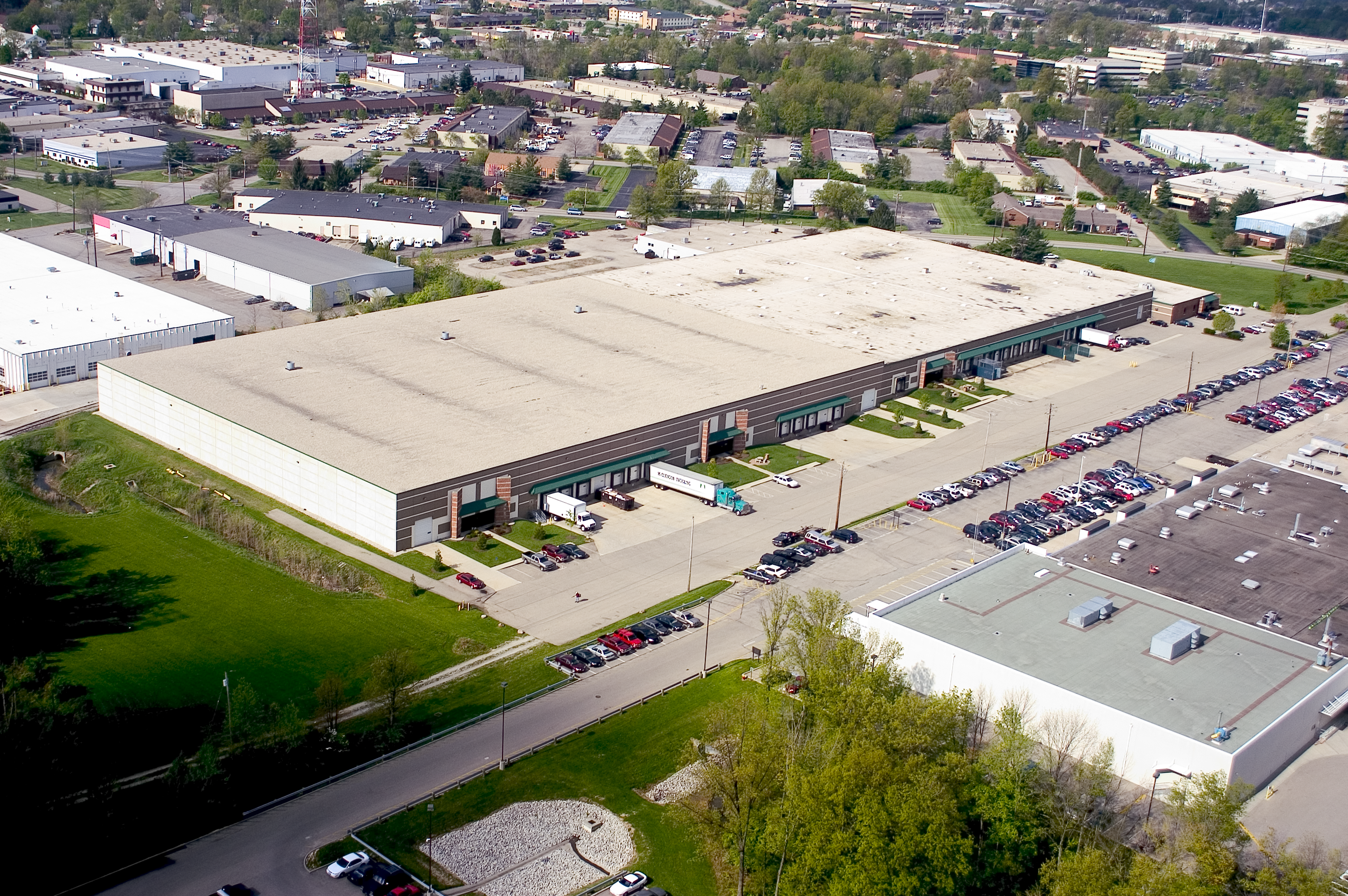

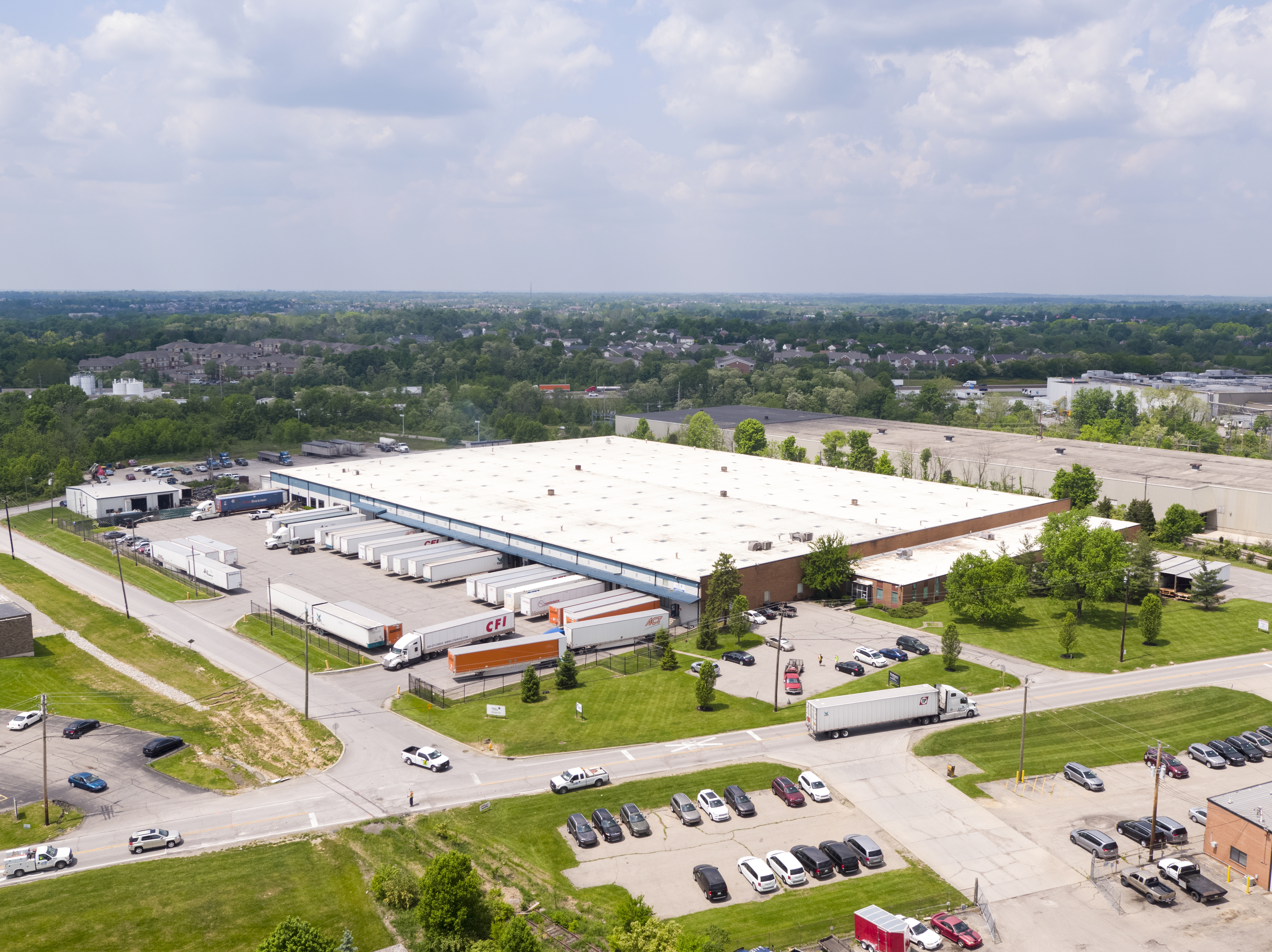

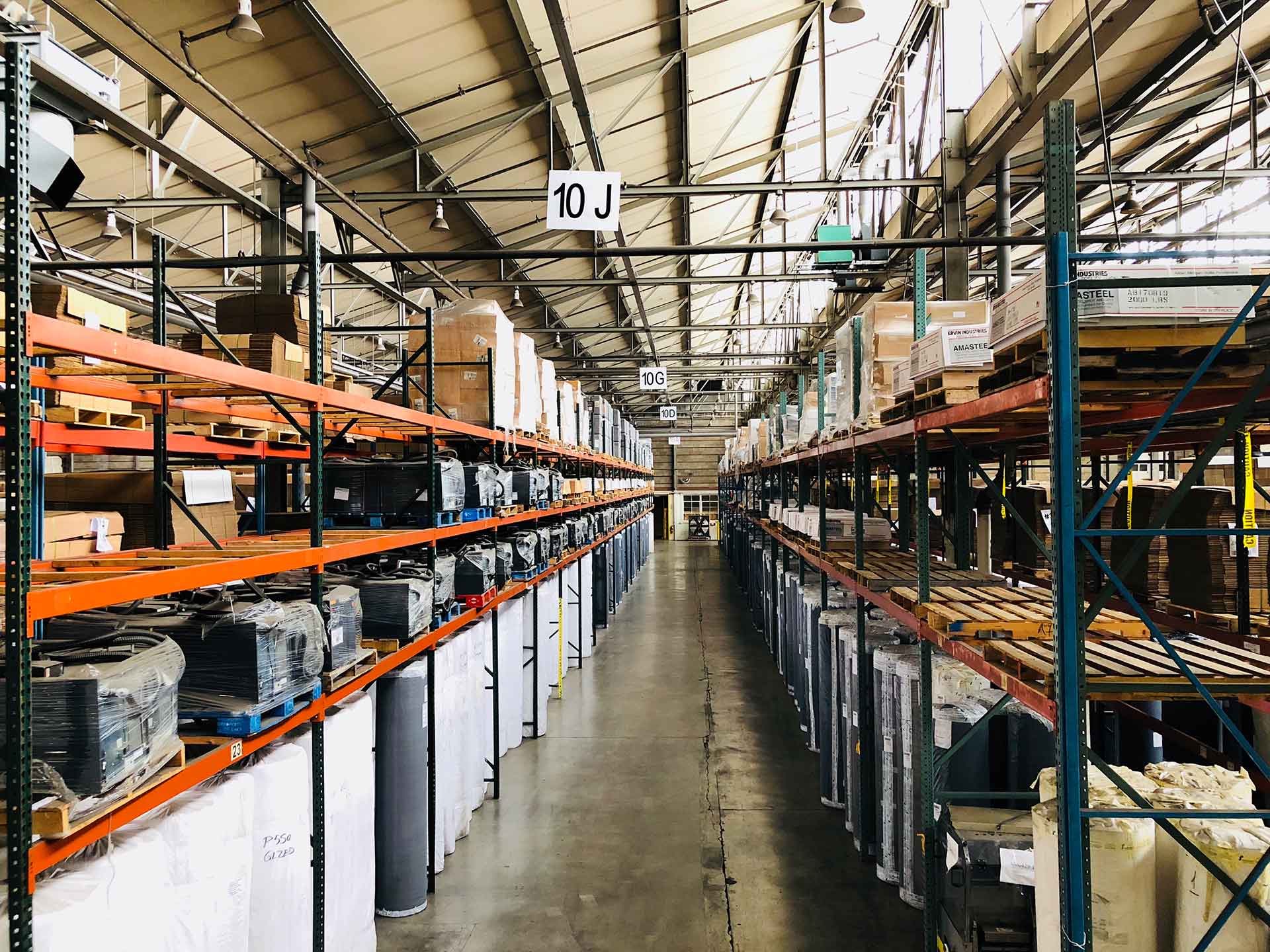


If your business is looking for warehouse for rent in Cincinnati, Brendamour Warehousing, Distribution & Services has you covered. We’ve been helping businesses across Ohio, Northern Kentucky, and the Midwest find the right storage and logistics solutions for over 40 years. Whether you need a few pallets of short-term overflow or a full-service distribution hub, we have the space, the team, and the flexibility to make it work.
Cincinnati Warehouse Space Available for Businesses of Every Size
Brendamour operates four facilities throughout the Greater Cincinnati area, giving businesses immediate One of the most common questions businesses ask before renting warehouse space in Cincinnati is: how much do I actually need? Underestimating means you’ll run out of room during your busiest season. Overestimating means you’re paying for empty space every month. Getting it right requires a straightforward calculation — and a bit of planning for how your inventory might grow.
Start With Your Inventory: The Foundation of the Calculation
Before you can estimate square footage, you need to know what you’re storing. Gather the following data on your inventory:
- Total number of SKUs (unique products)
- Average units per SKU at any given time
- Dimensions and weight of your average unit or pallet
- How your inventory moves, fast-moving items need different placement than slow-movers
- Peak inventory levels (typically Q4 for retail, or pre-season for seasonal businesses)
This baseline gives you the raw input for your space estimate. If you don’t have precise data yet, use your highest-volume month as the benchmark — it’s always better to plan for your peak, not your average.
The Basic Warehouse Space Formula
Here’s the core calculation most logistics professionals use to estimate pallet storage requirements:
Total Pallets Needed ÷ Pallets Per Row × Aisle Width + Clearance = Estimated Square Footage
Example: If you need 200 pallets at peak, stored 2 pallets deep in racks with 12-foot aisles, you’re looking at roughly 5,000–6,500 sq ft of storage space before accounting for receiving, staging, and office areas.
Keep in mind that usable floor space is typically only 40–60% of total warehouse square footage — the rest goes toward aisles, loading docks, staging areas, and safety clearances. According to NetSuite, a well-configured warehouse targets a storage utilization rate of 22–27% of total cubic capacity, meaning your actual usable storage is often a smaller portion of the building than most businesses expect. So if your storage calculation yields 5,000 sq ft of actual racking, you’ll want to look for a space in the 9,000–12,000 sq ft range total.
Account for Vertical Space, Not Just Floor Space
One thing many businesses overlook when evaluating Cincinnati warehouse space available is ceiling height. Warehouses with higher ceilings allow for taller racking systems — which means you can store significantly more product on the same footprint.
If you’re currently thinking floor space only, ask about racking options. Moving from 2-tier to 4-tier racking can effectively double your storage capacity without adding a single square foot of floor space. A good warehousing partner will help you think through vertical utilization as part of your initial planning.
Don’t Forget: Space for Receiving, Staging, and Value-Added Work
Pure storage is only part of the picture. If your operation involves any of the following, you need to factor in additional square footage:
- Receiving and inspection area – space to unload and check inbound freight
- Staging area – temporary holding before storage or shipment
- Processing and packing – if you need custom kitting, labeling, or assembly
- Returns processing – if you handle e-commerce or retail returns
- Office space – if staff will be on-site
For most businesses, these ancillary areas add 20–30% to their pure storage estimate. Factor them in before you start comparing available spaces.
Short-Term Warehouse Storage vs. Long-Term: Does Your Timing Affect Sizing?
Yes, and it’s worth thinking through before you commit. If you need short-term warehouse storage in Cincinnati for a product launch, seasonal overflow, or a transitional period, you may be able to size for your current peak without worrying about long-term growth.
If you’re signing a longer-term agreement for warehouse space for lease in Cincinnati, build in a growth buffer of 15–25% above your current peak needs. That cushion will buy you time before you need to renegotiate or expand — and it’s far cheaper than scrambling for emergency overflow space mid-season.
How a Cincinnati 3PL Can Simplify the Whole Process
If this calculation feels complicated, here’s the good news: you don’t have to figure it all out before reaching out to a warehouse provider. A good commercial warehouse storage partner in Cincinnati will walk you through this assessment as part of the onboarding process.
Brendamour works with businesses of all sizes to evaluate their actual storage needs, recommend the right space configuration, and build a flexible arrangement, whether you need warehouse space for rent in Cincinnati for a few months or a long-term logistics partnership. Explore our warehousing capabilities to see what’s available. Contact us when you are ready to talk.
Frequently Asked Questions About Warehouse Space in Cincinnati
How much does warehouse space cost in Cincinnati?
Pricing varies based on the type of space, services included, and the length of your commitment. Public warehousing in Cincinnati is typically priced per pallet per month, while leased or contract arrangements may be priced per square foot. The best way to get an accurate number is to share your volume and requirements with a local provider.
Is Cincinnati warehouse space available on a short-term basis?
Yes. Brendamour offers short-term warehouse storage for businesses that need flexibility — whether that’s a few months of overflow space or a transitional arrangement while you evaluate long-term options.
What’s the minimum amount of warehouse space I can rent in Cincinnati?
This varies by provider. At Brendamour, we work with businesses at a variety of scales — you don’t need to fill an entire building to work with us. Our public warehousing model means you pay for the space and services you actually use.
How do I find warehouse storage near me in Cincinnati or Northern Kentucky?
If you’re searching for warehouse storage near me in the Greater Cincinnati area, Brendamour operates four facilities across Cincinnati and Northern Kentucky — all with easy highway access. Reach out here and we’ll help you find the right fit.
Can a warehouse provider help me figure out how much space I need?
Yes, and a good one should. Brendamour’s team regularly helps new clients work through their space and service requirements before committing to anything. We’d rather help you size correctly upfront than have you outgrow a space in six months.
Start Planning Your Cincinnati Warehouse Space Today
Whether you’ve already done the math or you’re still working through the details, the team at Brendamour is ready to help. From flexible warehouse for rent in Cincinnati to full-service distribution partnerships, we have the space, the experience, and the people to get your operation running smoothly. Contact us today to start the conversation about the right warehouse space in Cincinnati for your business.

Leave a Reply
You must be logged in to post a comment.